

SCOPE
Sign UpLogin
Skip to content
Private Investigation · Central Oklahoma

PrivateInvestigation

Confidential, professional investigation support for individuals, attorneys, businesses, and organizations that need facts, documentation, and clear reporting before they make an important decision.

>_
  • Licensed by CLEETOklahoma regulated practice
  • Confidential IntakePrivate and free of judgment
  • Court Ready ReportsDocumented and organized
  • Lawful MethodsEvidence built to hold up
Private Investigation Explained

Case Clarity

What a private investigator actually does, how information is gathered, and how findings become something you can use.

A private investigator gathers, verifies, and organizes information for lawful purposes. Most clients call when something already feels wrong but they do not yet have enough information to decide. A good investigation replaces that uncertainty with documented facts, clear timelines, and findings you can actually use.

  • Structured Fact Finding
  • Lawful Methods Only
  • Usable Reporting
Usable Findings

Gather

Scoped

An investigation begins with a clear objective. The investigator identifies what needs to be learned, which sources are lawful and appropriate, and what facts would actually help you decide.

What Was Reviewed
Case objective, lawful sources, and the questions that matter.
What Was Verified
Sources are matched to the objective before field work begins.
What You Receive
A focused investigative plan with realistic, lawful goals.
Oklahoma Standards

Licensing

CLEET licensed, Oklahoma regulated, and built around lawful methods, confidential intake, written scope, and usable findings.

In Oklahoma, licensing is part of client protection. Before work begins, a professional should clarify what you are asking for, whether the request can be handled lawfully, how fees are structured, and how findings will be delivered.

A private investigator should not promise a specific outcome. The professional promise is a lawful process, organized documentation, and clear communication.

License StandardCLEET · 3 Year TermContinuing EducationPrivate investigators complete 16 hours of approved continuing education during the licensing period to maintain the license.
A professional investigator does not promise a specific outcome. They promise a lawful, organized, and well documented process.

Licensing

Standard 01 / 04
What to Ask
Ask whether the investigator and any agency involved are properly licensed for the work you are requesting.
What a Professional Explains
A professional can explain licensing status, whether the work is private investigation, security, process service, or another service type, and whether the request fits the authority they actually have.
Why It Matters
Licensing protects the public by setting standards around who can perform regulated investigative work in Oklahoma. CLEET licenses Private Investigators and Private Investigator Agencies.
Private Investigation Clients

Client Command

Every case starts with a different concern, and a strong investigation starts with intake. The concern is clarified, the people involved are identified, and the documentation needed to support an informed decision is mapped before work begins.

Before Intake
  • Clarify the Goal
  • Bring What You Have
  • Stay Lawful
Case Path
Common Concern
Personal uncertainty, family matters, child custody concerns, relationship questions, missing people, suspicious activity, or safety related issues.
Helpful Investigation Work
Background research, locating people, lawful surveillance, timeline documentation, public records research, and organized reporting.
What to Prepare
Names, addresses, phone numbers, dates, screenshots, prior reports, court documents, vehicle details, and what you need to confirm.
Useful Output
A clear timeline, documented observations, verified details, and a written summary of what was found and what remains unknown.
Core Investigation Services

Core Services

Eight investigative practices, each built around a lawful objective, clear scope, documented methods, and usable findings.

Every investigation starts with intake. The concern, people involved, available facts, lawful limits, and desired outcome are clarified before any work begins.

From there, the service is scoped around the objective, the methods are confirmed, and the deliverables are defined so clients understand what can be documented and how findings will be reported.

Select a service zone to see the objective, methods, and deliverables.

Civil Investigation Support

Service 01 / 08
Best Used For
Civil disputes, attorney support, witness location, scene documentation, timeline reconstruction, and records gathering.
May Include
Witness location and interviews, scene checks, public records research, timeline construction, and documentation review.
Client May Receive
Attorney formatted reports, organized timelines, location findings, photo references where lawful, and summaries of confirmed facts.
WitnessSceneTimelineRecords

IntakeCivil matters should begin with the case objective, deadlines, known parties, locations, and the specific questions the investigation needs to answer.

How the Process Works

The Process

Six structured steps that clarify the concern, confirm what is lawful, and produce a record you can actually use.

Advance through each stage of a case.
Case Stage · INTAKE

Confidential Intake

Stage 01 / 06

You explain the concern, the people involved, the location, the known facts, and the outcome you want.

Client Role
Bring names, dates, addresses, screenshots, documents, prior reports, vehicle information, and any known timeline.
Investigator Role
Listen carefully, clarify the objective, identify missing information, and determine what questions the case needs to answer.
Expected Result
A clear understanding of the concern and what information would actually be useful.
NamesDatesLocationsDocumentsTimeline
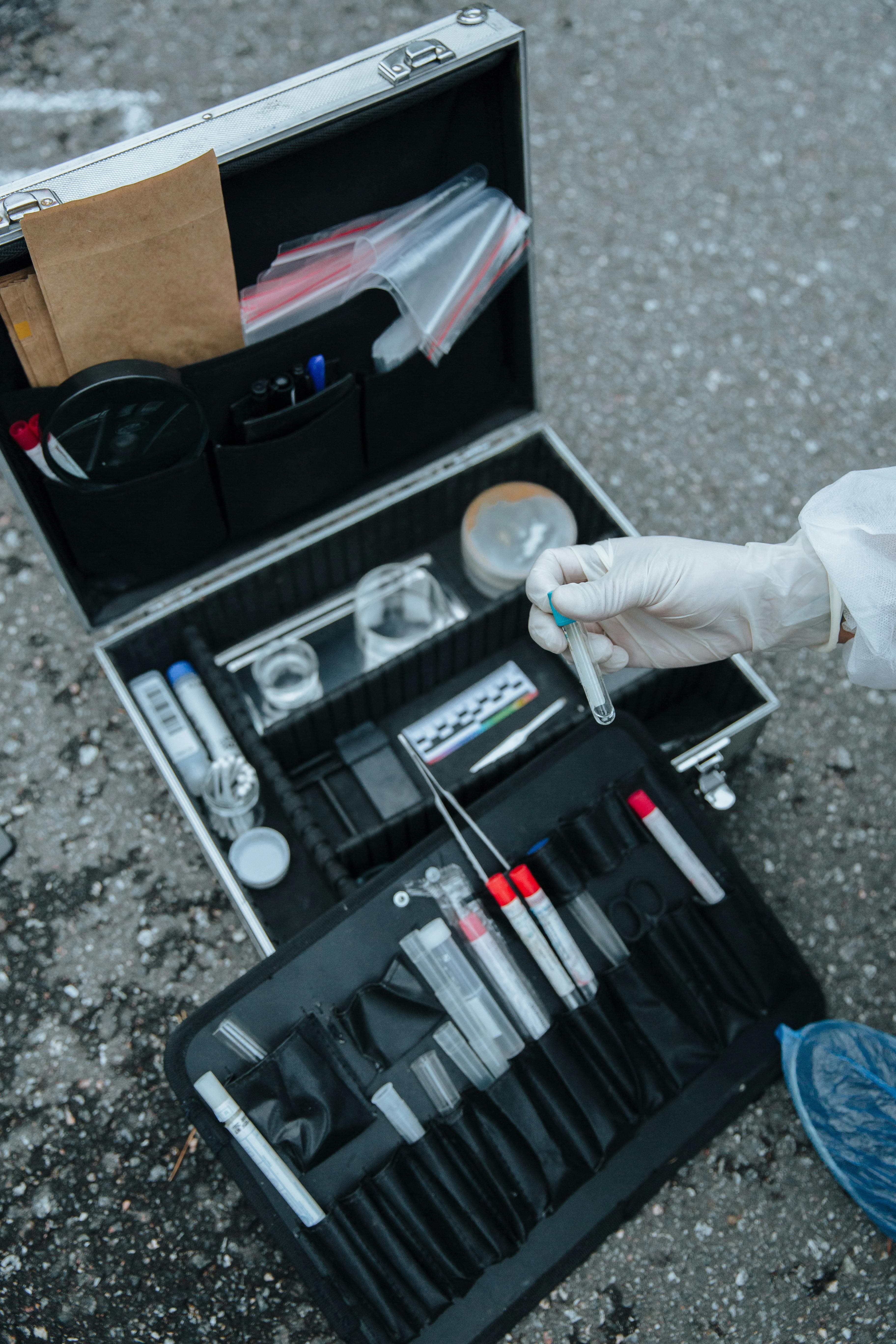
What Investigators Can and Cannot Do

Boundaries

A legitimate investigator protects the client by using lawful methods, refusing unlawful requests, and documenting information in a way that can survive scrutiny.

A lawful investigation is built around facts, not shortcuts. Surveillance, records research, interviews, observations, and reports only have value when they are gathered responsibly and documented clearly.

If a method could damage your case, violate privacy, create legal exposure, or require unauthorized access, it should not be used. The strongest investigation is the one that can be explained, reviewed, and relied on.

Documentation that survives scrutiny is worth far more than information gathered at risk.
Test each request against the boundary line.
Permitted Methods
Rejected Methods

Lawful Surveillance

Lawful When Properly Scoped

Surveillance can document observations from lawful vantage points. The value comes from dates, times, locations, and clear reporting, not from invading private spaces.

Service Area

Service Area

Central Oklahoma coverage for the Oklahoma City metro and surrounding communities, reviewed at intake based on travel, urgency, lawful scope, and case needs.

SCOPE is based in central Oklahoma and works with clients across the Oklahoma City metro and nearby communities. Coverage is reviewed before work begins so the location, timeline, travel requirements, lawful scope, and urgency of the matter are clearly understood.

Select a city marker to review coverage.
Intake Review ConsoleOklahoma CityPrimary Coverage
Intake Review

Central Oklahoma access supports practical planning across the metro. Case type, timing, location details, and lawful scope are still reviewed before work begins.

Next StepBegin intake to confirm timing, location, and documentation needs.

What Intake Reviews
  • Travel
  • Urgency
  • Case Need
  • Lawful Scope
When to Hire a Private Investigator

The Signals

A private investigator helps most when guessing is no longer good enough and facts need to be documented before the situation gets harder to understand.

Most people do not call because they already have every answer. They call because the situation has become unclear, inconsistent, or too important to leave to assumption.

A consultation helps define what is possible, what is lawful, what information may be useful, and whether documentation could support your next decision.

A consultation is informational. It defines what may be possible, what must stay lawful, and what realistic next steps could look like.

Select a developing signal to see what it may mean.

Major Personal Decision

Signal Developed
What It May Indicate
The decision may involve trust, safety, family, finances, property, a relationship, or a legal concern where assumptions are not enough.
What to Document Now
Dates, messages, names, locations, screenshots, prior incidents, and the specific decision the information needs to support.
How a Consultation Helps
It clarifies whether the concern can be investigated lawfully and what type of documentation may actually help.
TrustSafetyDecision
Evidence, Reports, and Documentation

Reporting

Findings become useful when dates, locations, observations, records, media references, and open questions are organized into one clear report.

An investigation is only as useful as the way its findings are documented. Raw observations, screenshots, records, photos, and notes can create confusion if they are not organized around what happened, when it happened, where it happened, and how it was documented.

A professional report turns scattered information into a clear record that can support a personal decision, attorney review, business review, property documentation, or a practical next step.

The goal is not to overwhelm you with information. The goal is to organize the right information so you can understand what was found, what was not found, and what questions remain.

Select a documentation band to see how findings become a usable report.
Investigation ReportAssembling
  • Case Summary
  • Investigation Dates
  • Location Details
  • Surveillance Notes
  • Photo References
  • Video References
  • Public Record Findings
  • Timeline of Events
  • Investigator Observations
  • Limitations
  • Open Questions
  • Recommended Next Steps

Timeline

Layer 01 / 04
Purpose
Known dates, activity windows, observation periods, and important sequence points become one clear timeline.
Client Value
A timeline helps the client understand the order of events instead of trying to piece everything together from memory.
What It May Include
Case dates, field work dates, activity windows, surveillance periods, communication milestones, public record dates, and event sequence notes.
Confidentiality and Discretion

Discretion

Private intake, professional handling, and judgment free communication from the first call through the final report.

People often reach out during stressful moments. They may feel embarrassed, angry, unsure, or overwhelmed by a situation they cannot fully explain yet.

The goal is simple: understand the facts, protect your privacy, and handle the matter professionally from the first conversation through the final report.

Privacy is the working assumption, not an upgrade. What you share during intake is treated as part of the engagement and handled with professional care.

Confidentiality should always be explained clearly, including communication preferences, documentation handling, and any legal limits that may apply.

Open each privacy layer to see how discretion is protected.
Private intake conversation reference
Layer Protected

Private Intake

01 / 05
What It Means
The first conversation is handled calmly and professionally. The client explains the concern, the people involved, the known facts, and what they are trying to understand.
Why It Helps
You do not need to have everything perfectly organized before calling. Intake helps sort the concern into facts, questions, and possible next steps.
Intake Note
Bring names, dates, locations, documents, screenshots, and the decision you are trying to support.

Questions

Here are straightforward answers to the questions we hear most. A consultation is the right place to talk through your specific situation.

8/ 8questions

Do I need a private investigator or an attorney?

A private investigator gathers and documents facts. An attorney gives legal advice and represents you in legal proceedings. Often the two roles work together.

Answer01 / 08
Why an Oklahoma Investigator

Why SCOPE

Oklahoma based investigation support built around local familiarity, confidential intake, clear communication, professional reports, and lawful methods.

Oklahoma investigation work benefits from practical local understanding. Metro travel patterns, rural county distances, property access issues, court timelines, community context, and field conditions can all affect how a matter should be scoped.

SCOPE is positioned as a disciplined Oklahoma focused practice that begins with careful intake, sets realistic expectations, uses lawful methods, and organizes findings into written documentation that supports the client’s next decision.

Credential Details

License numbers, insurance details, and certifications appear here only after they have been verified for the engaged practice.

Open each folio panel to inspect a SCOPE advantage.
Oklahoma community context reference
Local Context

Oklahoma Knowledge

Local understanding helps shape better intake questions, better planning, and more realistic expectations. A metro matter, a rural property concern, a county records issue, and a witness location outside the city may each require a different approach.

Context Matters
  • Context
  • County Distance
  • Field Planning

Contact a Private Investigator Today

If you are dealing with uncertainty, suspicion, missing information, or a situation that needs documentation, a quick call is the fastest way to understand what is possible, what is lawful, and what your next steps look like.

  • Confidential Intake
  • Lawful Methods
  • Documented Findings
  • Same-Day Responses